October 13, 2026
A new commentary from the. Neiman Institute challenges a recent claim that declining imaging use has allowed the United States to meet imaging demand without increasing the number of radiologists. The Institute argues that the claim — made in a 2026 JAMA Health Forum article — relies on outdated utilization data and overlooks a growing body of evidence showing increasing imaging volume and complexity, rising radiologist workload and worsening capacity constraints. Read More
September 30, 2026
A new study from HPI found that practices that perform both imaging scans and interpretation services were 17% less likely to close than practices that do not own imaging scanners. The study, based on 30,625 practice-years over the 2008-2021 period, was published in the Journal of the American College of Radiology. Read More
September 17, 2026
A new study from the HPI found that both practice-level and radiologist-level IR specialization are associated with increasing procedural complexity, and nurse practitioners and physician assistants, through the provision of evaluation and management services, contributed to increased procedural complexity to the interventional radiologists they support. This practice-level analysis was published in JACR. Read More
September 15, 2026
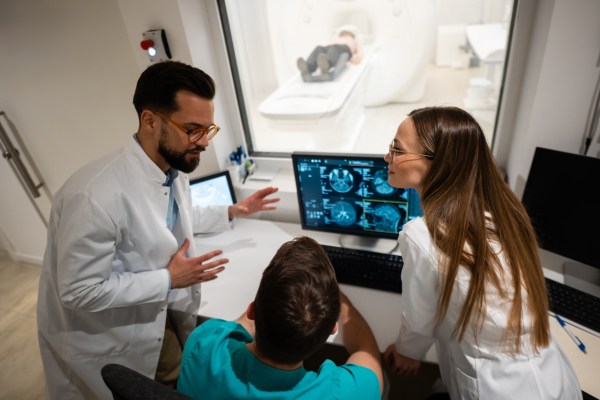
A new study published in JACR found that an artificial intelligence algorithm can meaningfully enhance brain aneurysm detection when used alongside radiologists. The findings provide important real-world evidence supporting AI as a clinical assistive tool for brain aneurysm detection. Read More
September 9, 2026
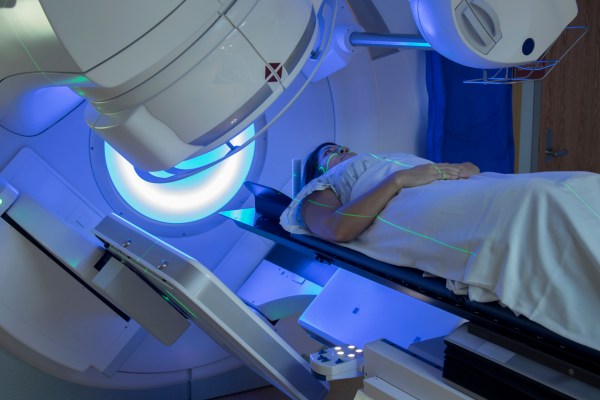
The COVID-19 pandemic accelerated the adoption of shorter-course radiation therapy for women with early-stage breast cancer, leading to reduced treatment burden and lower healthcare spending, according to a new study published in the American Journal of Clinical Oncology. Read More